May 5, 2026
The flooring industry is growing steadily as construction, renovation, and design trends continue to evolve across residential and commercial markets. Flooring is now a key part of interior planning, with durability, aesthetics, and sustainability playing a major role in decisions. Buyers are prioritizing long-term value and quality over cost alone, increasing the importance of choosing a reliable flooring company. At the same time, digital access to design inspiration is making consumers more informed and trend-driven, further strengthening demand across the sector.
1. Expanding Market Drivers and Growing Demand Shaping
Urban expansion and infrastructure development continue to be major forces shaping demand. As cities grow and populations increase, new residential and commercial buildings require complete interior solutions, including flooring systems that balance durability and design. A flooring company operating in this environment is often engaged early in project planning, reflecting how essential flooring has become in modern construction cycles.
At the same time, renovation activity is adding another layer of consistent demand. Homeowners and property investors are upgrading existing spaces to increase value and improve functionality. Flooring is typically one of the first major improvements in these projects because it has an immediate visual and practical impact. This creates repeat opportunities for providers serving both new builds and remodeling markets.
Commercial environments also contribute significantly to this upward trend. Offices, retail stores, and hospitality spaces require flooring that can withstand heavy use while maintaining a professional appearance. As businesses continue to invest in customer experience and workplace design, demand for a flooring company that can deliver reliable, scalable solutions continues to grow.
2. Advancing Technology and Material Innovation Transforming
Technological progress in materials and manufacturing has significantly reshaped the flooring sector, leading to products with greater durability, wear resistance, and improved environmental performance. These advancements allow a flooring company to deliver solutions that combine visual appeal with long-term functionality across different conditions. Innovation has also improved design flexibility and installation efficiency, giving consumers more variety while driving stronger competition and continuous industry improvement.
Sustainability is now a core focus, with eco-friendly materials, low-emission adhesives, and recyclable components becoming standard expectations. This shift reflects growing environmental awareness and regulatory pressure across the industry. According to Business Research Insights, the global wood and laminate flooring market is projected to reach approximately $22.76 billion by 2033, supported by steady growth at around 2.4% CAGR from 2025 to 2033, highlighting the strong link between innovation and long-term demand.
3. Shifting Consumer Preferences and Buying Behavior Influencing
Consumer expectations have evolved significantly, with aesthetics now playing a central role in flooring decisions. People increasingly view flooring as a defining element of interior style rather than just a functional surface. This shift has pushed demand toward more design-oriented offerings, creating new opportunities for any flooring company that can balance appearance with performance.
Personalization has also become a key factor. Buyers want flooring options that reflect their individual taste, lifestyle needs, and space requirements. This includes choices in texture, color variation, and layout design. As a result, providers are expanding product ranges to accommodate more customized solutions rather than standardized offerings.
Convenience and maintenance are equally important. Low-maintenance flooring options are in high demand among both homeowners and businesses seeking practical long-term solutions. Products that resist stains, scratches, and wear are particularly attractive because they reduce upkeep costs and effort over time. In addition, health-conscious choices are influencing purchasing behavior, with growing interest in low-emission materials that support better indoor air quality.
4. Increasing Construction Activity and Urban Development Expanding
Construction growth remains one of the strongest drivers of flooring demand. As urban development accelerates, both residential and commercial building projects continue to expand. A flooring company is often directly involved in supplying essential materials that complete interior construction phases, making it a critical part of the building supply chain.
Residential development plays a particularly strong role in sustaining demand. New housing projects, suburban expansion, and apartment construction all require large volumes of flooring materials. At the same time, homeowners are investing more in upgrades, further increasing demand beyond new builds alone.
Commercial expansion adds another layer of opportunity. Retail centers, office spaces, and hospitality environments require flooring solutions that combine durability with visual appeal. These projects often demand higher specifications, creating opportunities for providers that can meet performance and design requirements simultaneously. Infrastructure improvements such as airports, schools, and public facilities further reinforce this growth cycle.
5. Strengthening Policy Factors and Economic Conditions Supporting
Economic conditions play a direct role in shaping flooring demand. When consumer confidence is strong, investment in housing and renovation projects increases, leading to higher material consumption. In these periods, a flooring company typically experiences stronger order volumes across both residential and commercial segments.
Government policies also contribute to market expansion. Incentives for housing development, renovation tax benefits, and infrastructure funding encourage construction activity. These programs indirectly increase demand for flooring by stimulating broader building projects across multiple sectors.
Trade conditions and supply chain policies further influence material availability and pricing stability. Access to global markets allows for a wider range of flooring options, while domestic production supports supply resilience. When these systems are balanced effectively, they create a stable environment for sustained industry growth.
6. Expanding Digital Commerce and Distribution Channels Scaling
Digital transformation has significantly changed how flooring products are marketed and sold. Online platforms now allow customers to browse, compare, and purchase flooring options with greater convenience and transparency. This shift has expanded the reach of every flooring company that invests in digital sales channels.
E-commerce platforms provide detailed product information, pricing comparisons, and customer reviews, which help buyers make more informed decisions. Virtual consultations and digital showrooms further enhance the experience, bridging the gap between online browsing and real-world application.
Supply chain improvements have also strengthened distribution efficiency. Faster logistics, improved inventory tracking, and optimized delivery systems reduce delays and support smoother project execution. These advancements are particularly important for large-scale commercial installations where timing is critical.
Virtual reality and visualization tools are also becoming more common. These technologies allow customers to preview flooring designs in their actual spaces before purchasing. This reduces uncertainty and improves satisfaction, making digital tools a valuable part of the modern buying journey.
7. Evolving Design Trends and Lifestyle Expectations Rising
Design trends continue to play a powerful role in shaping flooring demand. Minimalist interiors, natural textures, and neutral color palettes remain widely preferred across residential and commercial spaces. These preferences influence product development and encourage ongoing innovation within the flooring industry.
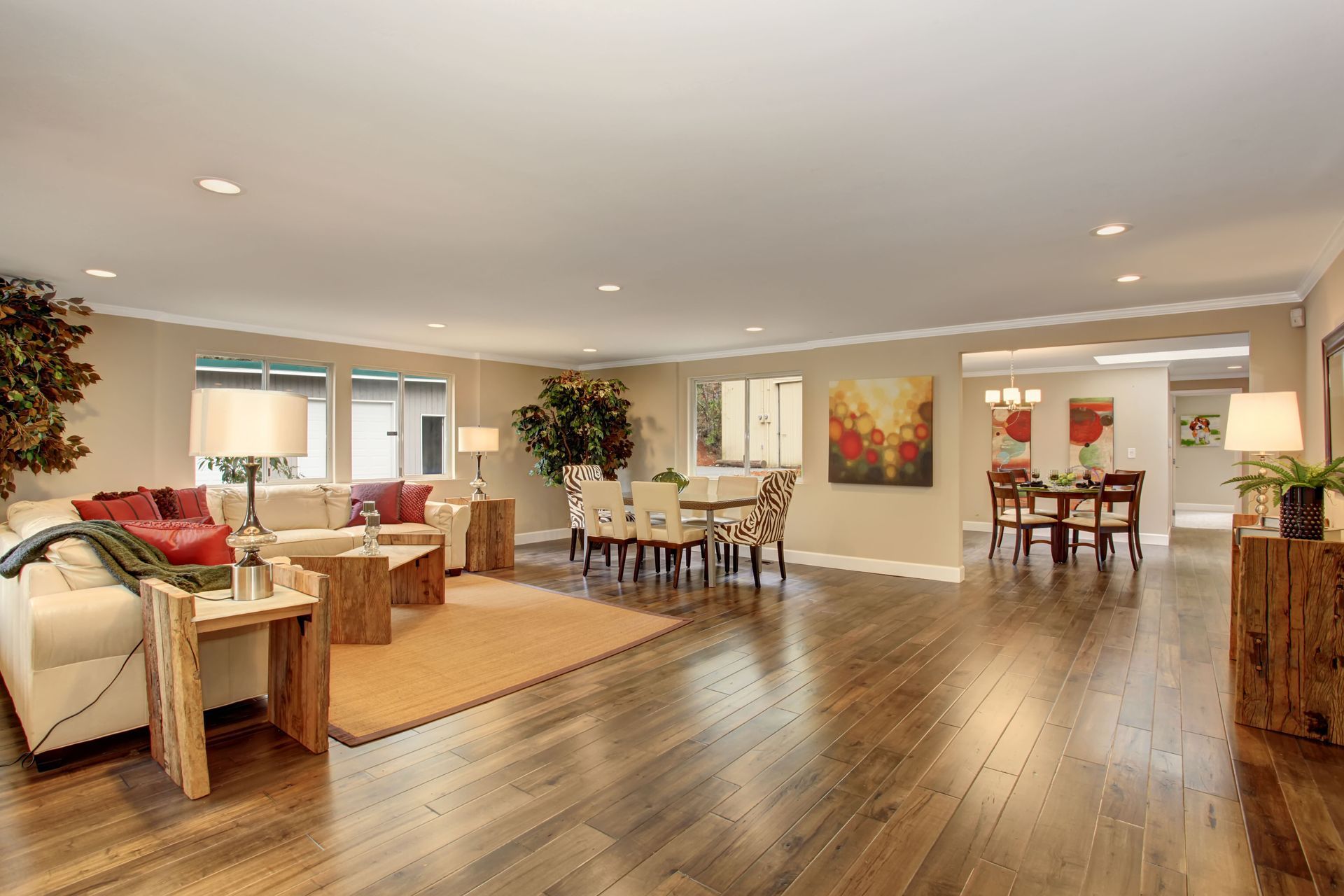
Lifestyle changes are also contributing to shifting expectations. Open-concept living, multifunctional spaces, and hybrid work environments require flooring solutions that are both durable and visually consistent. A flooring company that understands these evolving needs can better align its offerings with modern living patterns.
Luxury and premium segments are also expanding. High-end materials such as engineered hardwood and stone finishes are increasingly used to elevate interior spaces. This reflects a growing willingness among consumers and businesses to invest in long-term value and aesthetic distinction.
Social media and digital inspiration platforms continue to accelerate these trends. Visual content influences purchasing decisions and increases awareness of new styles and materials. As a result, design-driven demand cycles are becoming faster and more dynamic than ever before.
Rising demand for flooring solutions is driven by construction growth, material innovation, changing consumer expectations, and expanded digital access. These forces continue to reinforce each other, creating steady opportunities across residential, commercial, and industrial markets. As the industry evolves, a flooring company plays a key role in delivering expertise, value, and adaptable solutions that meet modern needs. For reliable service and quality results, contact All About Hardwood Floor Company.